Transforming care for individuals with CP in Ireland
Presenting the Irish CP programme.

About the Irish CP Programme
Launched in 2023, this programme represents the first coordinated national effort to transform care for individuals with CP in Ireland.
Operating within an Academic Health Science System, we integrate the following four core pillars:
Clinical Care, Research, Policy & Advocacy, and Education & Training.
Key achievements
- Reduced Diagnosis Age: early detection pathways have lowered the average age of CP diagnosis by over 18 months, from over 24 months down to 6.5 months thereby allowing intervention during the critical period (first 1,000 days) of early brain development.
- High Recruitment Levels: approximately 1,000 high-risk infants have been recruited nationally into early detection pathways across participating Level 3 and Level 2 maternity hospitals.
- National Registry Launch: commenced development of the first national Irish CP Registry to provide accurate national data on CP prevalence, outcomes and service needs.


- The ELEVATE Programme: secured a €5 million grant from Research Ireland to employ advanced artificial intelligence (AI) data analysis and biomarker discovery for earlier CP prediction.
- Lifespan Support: launched the Ignition 2 transition framework for adolescents and the CP-Excel online exercise and education platform for adults.
About Cerebral Palsy
Cerebral palsy (CP) is the most common lifelong physical disability arising in childhood. It is attributed to injury or malformation of the developing brain occurring before, during, or shortly after birth.
How it affects movement
It compromises movement and posture via spasticity (stiffness), dyskinesia (uncontrolled movements), or ataxia (balance and coordination issues).
The Critical Milestone
While there is no cure, early intervention during the first 1,000 days of brain development (when neuroplasticity is greatest) significantly improves lifelong quality of life.
The Main Patterns
Hemiplegia: Affecting limbs on one side of the body.
Diplegia: Affecting lower limbs more than upper limbs.
Quadriplegia: Affecting all four limbs and the trunk.
Programme leadership
The success of the programme depends on the strength of its team.
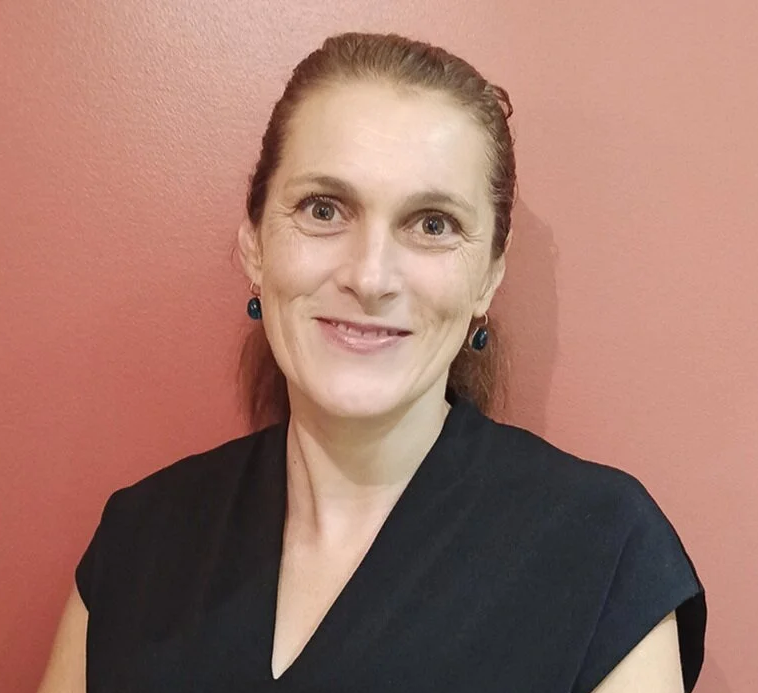
Prof. Deirdre Murray
Chair in Early Brain Injury &
CP,
University College Cork

Prof. Denise McDonald
Associate Professor of
CP,
Trinity College Dublin

Prof. Jennifer Ryan
Director of CP-Life Research
Centre,
Royal College of Surgeons in Ireland
Annual progress reports
These will be available soon.
Contact Us
If you have any questions or queries