A better pathway for children with cerebral palsy: one parent’s hope for the future
This World Cerebral Palsy Day (6 October), we hear from parent and advocate Edel Davin-Power about her family’s experience of cerebral palsy, the changes she hopes to see for children and families, and how research underway through The Irish Cerebral Palsy Programme is working towards a better future.
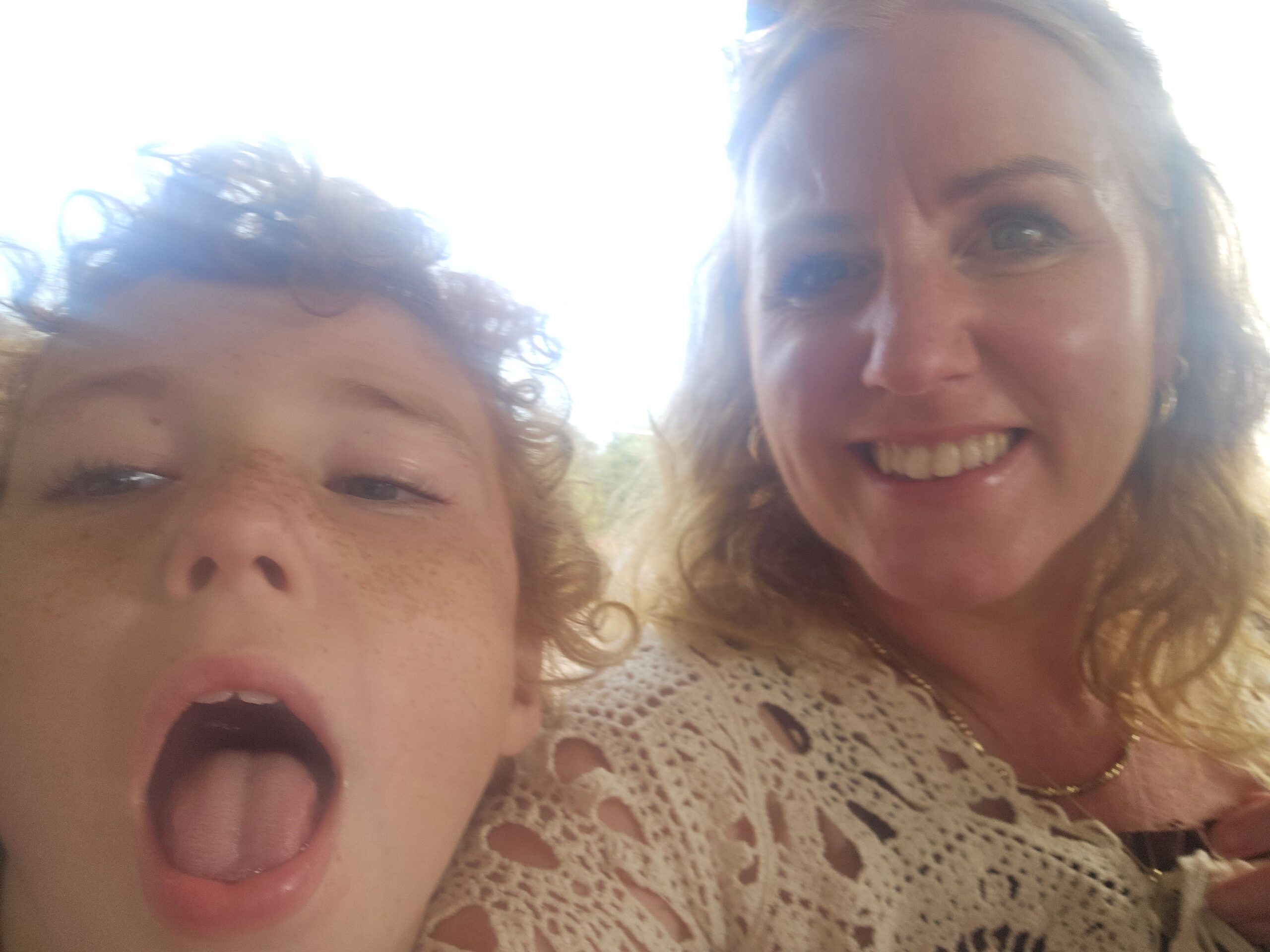
When Edel’s son Rossa was a baby, concerns about his development led their family to begin seeking answers. Following further assessment, including an MRI, Rossa was diagnosed with cerebral palsy at nine months old.
Rossa turns 12 this year. Looking back, Edel remembers how difficult those early years could be to navigate. There was no obvious pathway for the family to follow, and understanding where to turn for advice, appropriate intervention and support was not always straightforward.
At times, Edel felt she had to seek out information, further assessment and opportunities for Rossa herself. When she raised concerns about his development, the answers were not always clear and neither was the pathway to further assessment or specialist support. She wanted her concerns as a parent to be heard, alongside clearer communication, more individualised approaches to care and a stronger sense of partnership with the healthcare professionals supporting Rossa.
Almost 12 years later, Edel sees significant reasons for optimism. Research and clinical practice in cerebral palsy continue to evolve, particularly in earlier identification and intervention, while greater collaboration is helping to build more connected approaches to care.
“When Rossa was a baby, there was so much we didn’t know and so much we were trying to navigate as a family. Looking at the research and the people working in cerebral palsy today, I feel there is much more reason for families to have hope.”
Today, Edel is an active advocate, contributing to The Irish Cerebral Palsy Programme and INFANT Research Centre at University College Cork (UCC) through the Cerebral Palsy Parent Advisory Group (CP-PAG). Through this work, she brings her lived experience as a parent into conversations with researchers and healthcare professionals working to improve cerebral palsy care.
Launched in 2023, The Irish Cerebral Palsy Programme is a five-year national initiative with an ambition to transform cerebral palsy care in Ireland. The first coordinated national effort of its kind in Ireland, it is led by clinical and research teams at University College Cork (UCC), Trinity College Dublin (TCD) and the Royal College of Surgeons in Ireland (RCSI), working with hospitals, clinicians, researchers and families across the country.
For Edel, bringing families into that work is an important part of progress. Scientific and clinical advances are driving new possibilities, while the experiences of people with cerebral palsy and their families can help researchers and healthcare professionals understand where change is most needed and what matters in everyday life.
“What inspires me now is seeing families, researchers and healthcare professionals working together. There is real progress towards the kind of care and support that every individual and family deserves.”
What could the journey look like for families today?
For Edel, the contrast between her family’s experience almost 12 years ago and the approach now being developed is significant. Where her family often had to work out what came next, she wants families today to encounter clearer routes from early concerns through assessment, intervention and ongoing support.
Where she sometimes felt she had to advocate for Rossa’s individual needs herself, she wants families to feel informed, listened to and part of the team around their child. For Edel, some of the biggest opportunities for change are clear: earlier diagnosis, better communication with families, more individualised care and intervention, and clearer pathways through services.
Most importantly, she wants every child to be seen as an individual, with families and experts working together to support their development and potential.
“Parents know their children, and clinicians and researchers bring expertise that families need. When those voices come together, I think we have the best opportunity to make a real difference for each child.”
These are some of the challenges The Irish Cerebral Palsy Programme is working to address.
Professor Deirdre Murray, one of the Chairs of The Irish Cerebral Palsy Programme, says one of the Programme’s strengths is its ability to bring expertise together nationally and address cerebral palsy across the lifespan.
“For the first time in Ireland, we have a coordinated national programme bringing together Irish researchers, clinicians and families to address cerebral palsy across the lifespan. It is an opportunity to build national capability in cerebral palsy research and care, based on the needs and experiences of people living with cerebral palsy in Ireland. Our initial focus is on supporting early diagnosis and importantly; early and effective intervention”
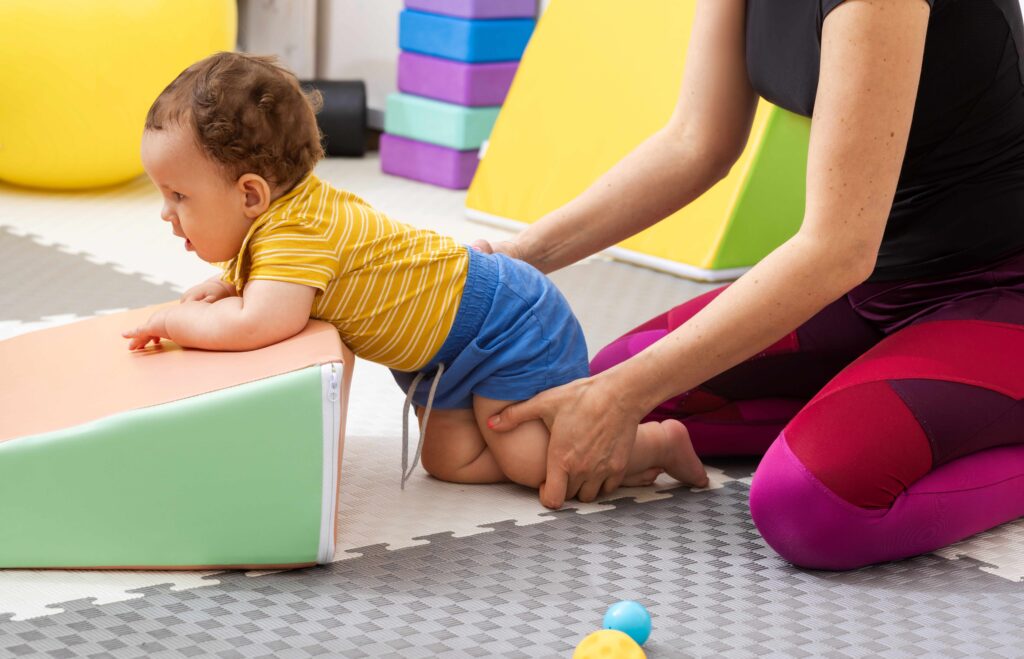
Researching a better pathway for cerebral palsy care
That national approach encompasses research and initiatives across infancy, childhood, adolescence and adulthood, with work ranging from earlier identification and intervention to the development of Ireland’s first national cerebral palsy register.
The Programme’s work includes:
- Earlier identification and clearer pathways, helping infants at high risk of cerebral palsy access appropriate specialist assessment, follow-up and intervention much sooner.
- Improving access to specialist follow-up, including the expansion of high-risk infant follow-up through research initiatives such as the new AIM-HIGH outreach clinic in Kildare.
- Developing and evaluating interventions, building evidence about therapies that can support children, adults and families affected by CP.